It was only natural that, given the amount of new material acquisitions, I would spend the following days nonstop unpacking. Luggage was emptied, souvenirs were sorted, purchases were organized, and laundry was completed.
 |  |
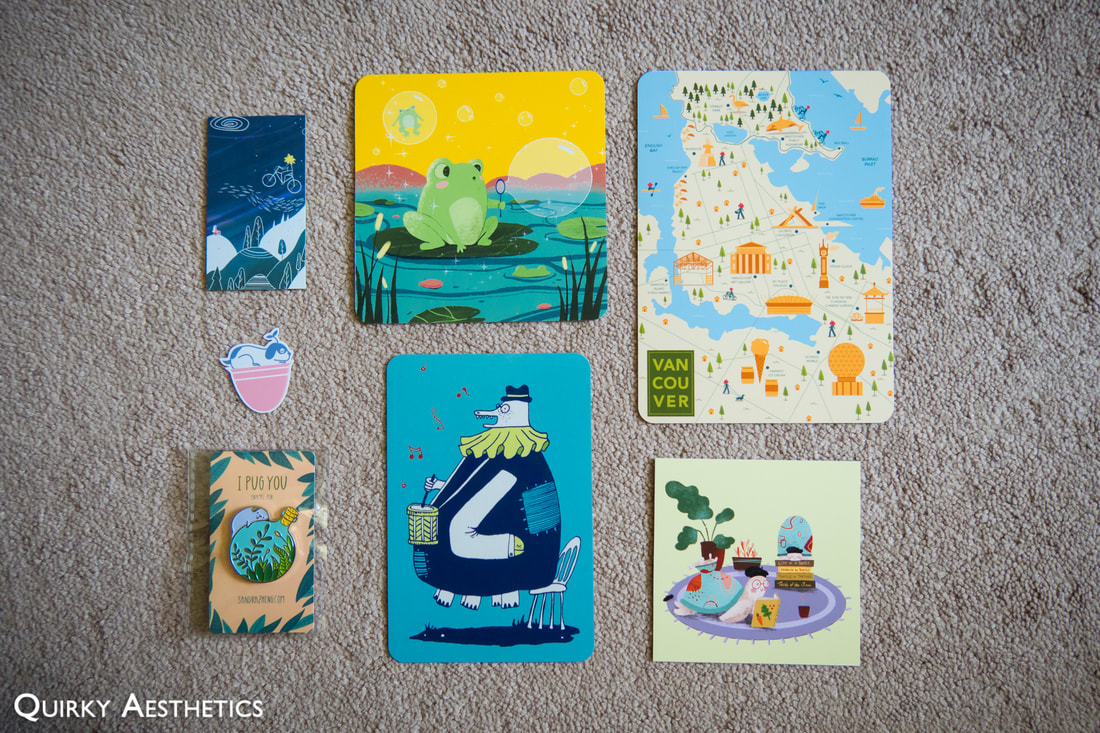
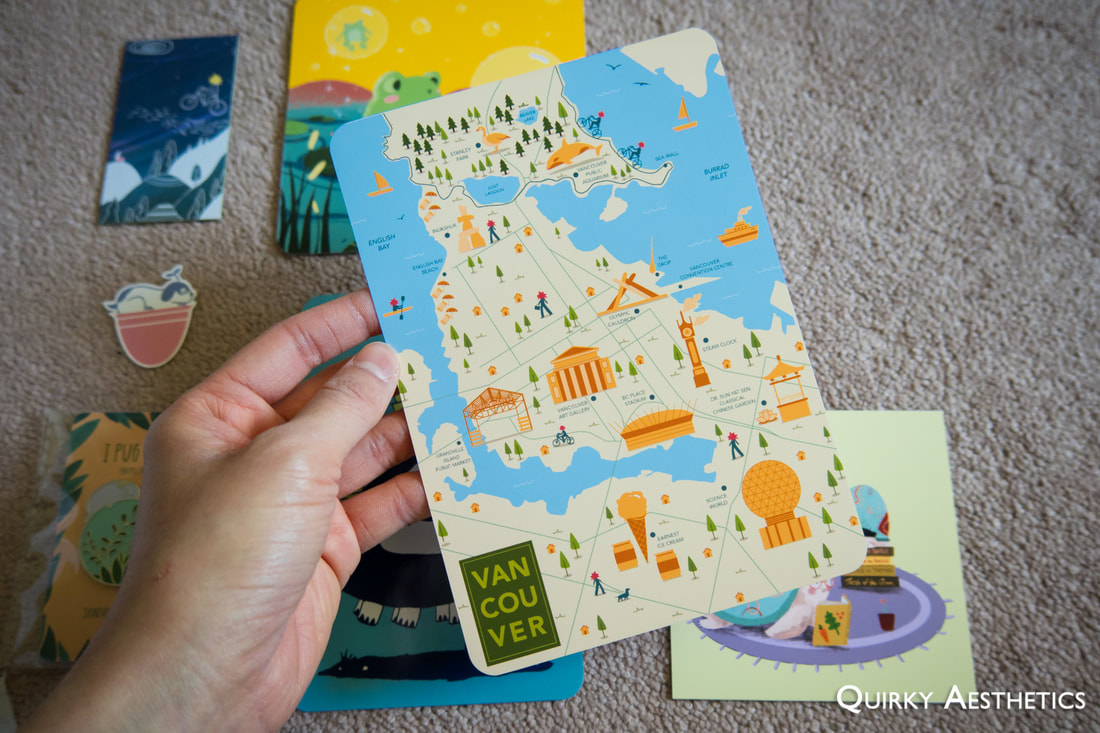
During this procedure, I also unveiled a delightful assemblage of artwork from orderlyblue.
Beyond being a friend of mine since the Before We Begin Vancouver stop, she is a flourishing artist, teacher, and entrepreneur in her own right. To declare my pride in her is an understatement; she is young but intrepid, and contemplative but resolute.
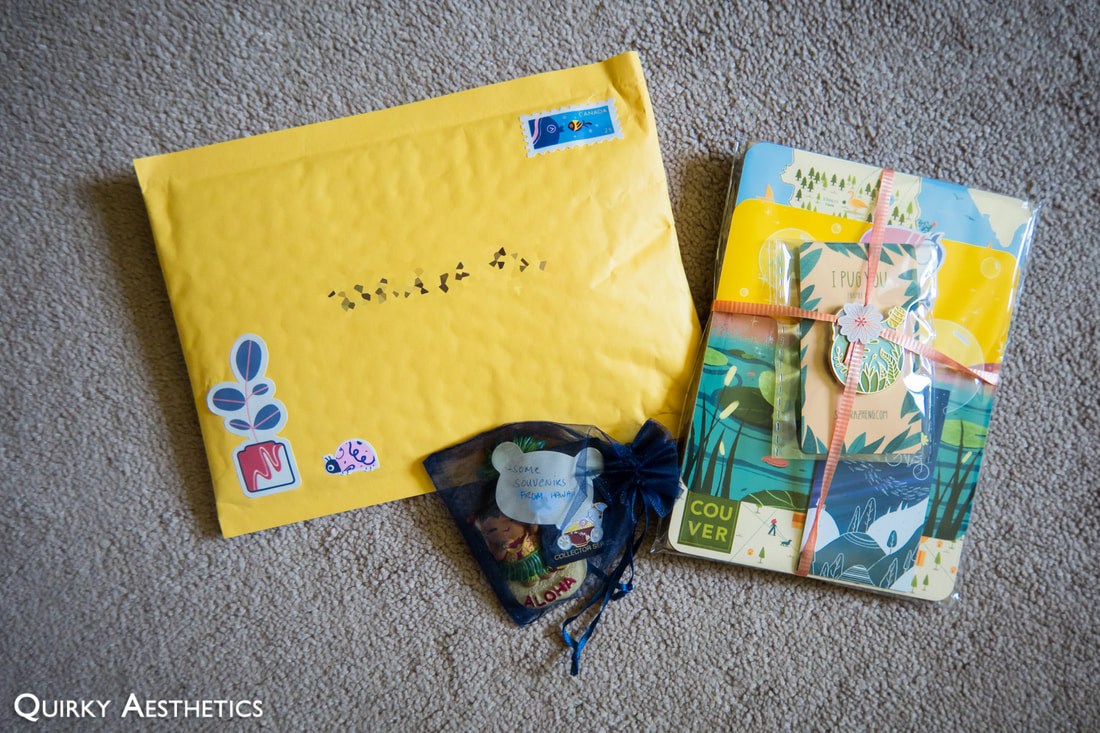
Prior to the Lynn Canyon trip, I had expressed interest in supporting her craft, to which she responded enthusiastically.
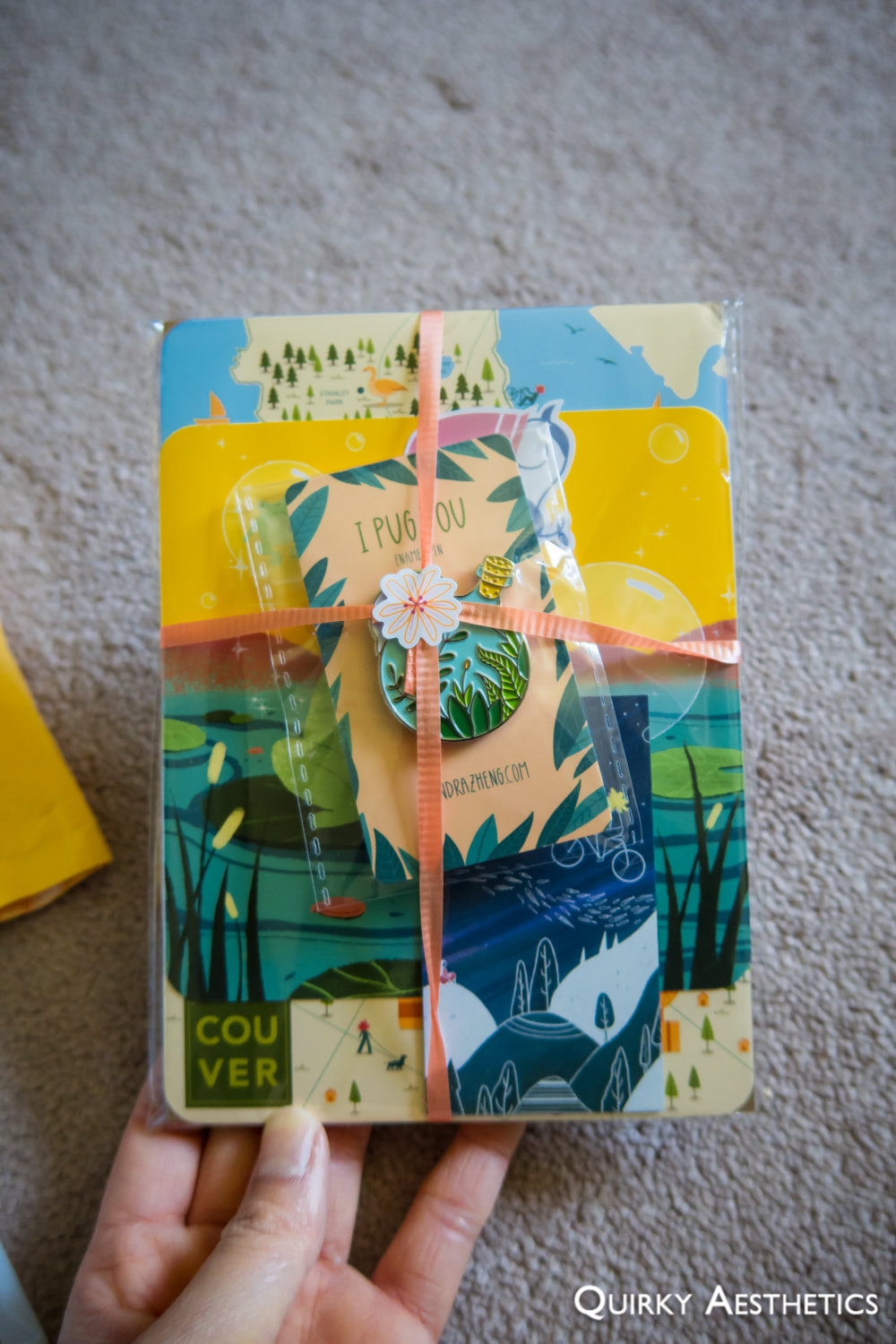
Her stunning creations, meticulously sealed in individual sleeves and bubble-wrapped for extra protection, were finally revealed upon reaching home. Delicate, precise linework, harmonious colours, impressive innovation, and astounding attention to detail were witnessed in each and every piece.
Her stunning creations, meticulously sealed in individual sleeves and bubble-wrapped for extra protection, were finally revealed upon reaching home. Delicate, precise linework, harmonious colours, impressive innovation, and astounding attention to detail were witnessed in each and every piece.
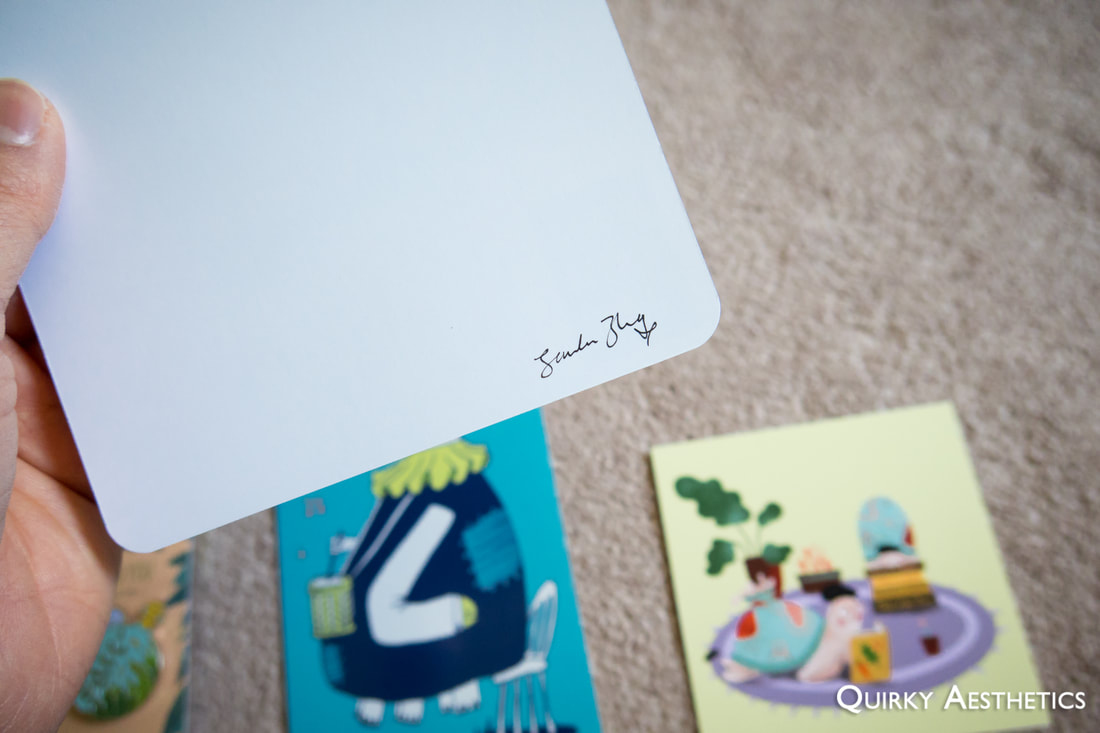
Despite being able to appreciate the extensive effort that is contributed to the creative process and its incarnation for consumption, rarely am I to spend hours viewing art. But orderlyblue's work were those I wished to continue gazing upon, those that I found joy within.
Friends and family were quick to express similar thoughts as I. Follow-up purchases are intended to be made.
Friends and family were quick to express similar thoughts as I. Follow-up purchases are intended to be made.
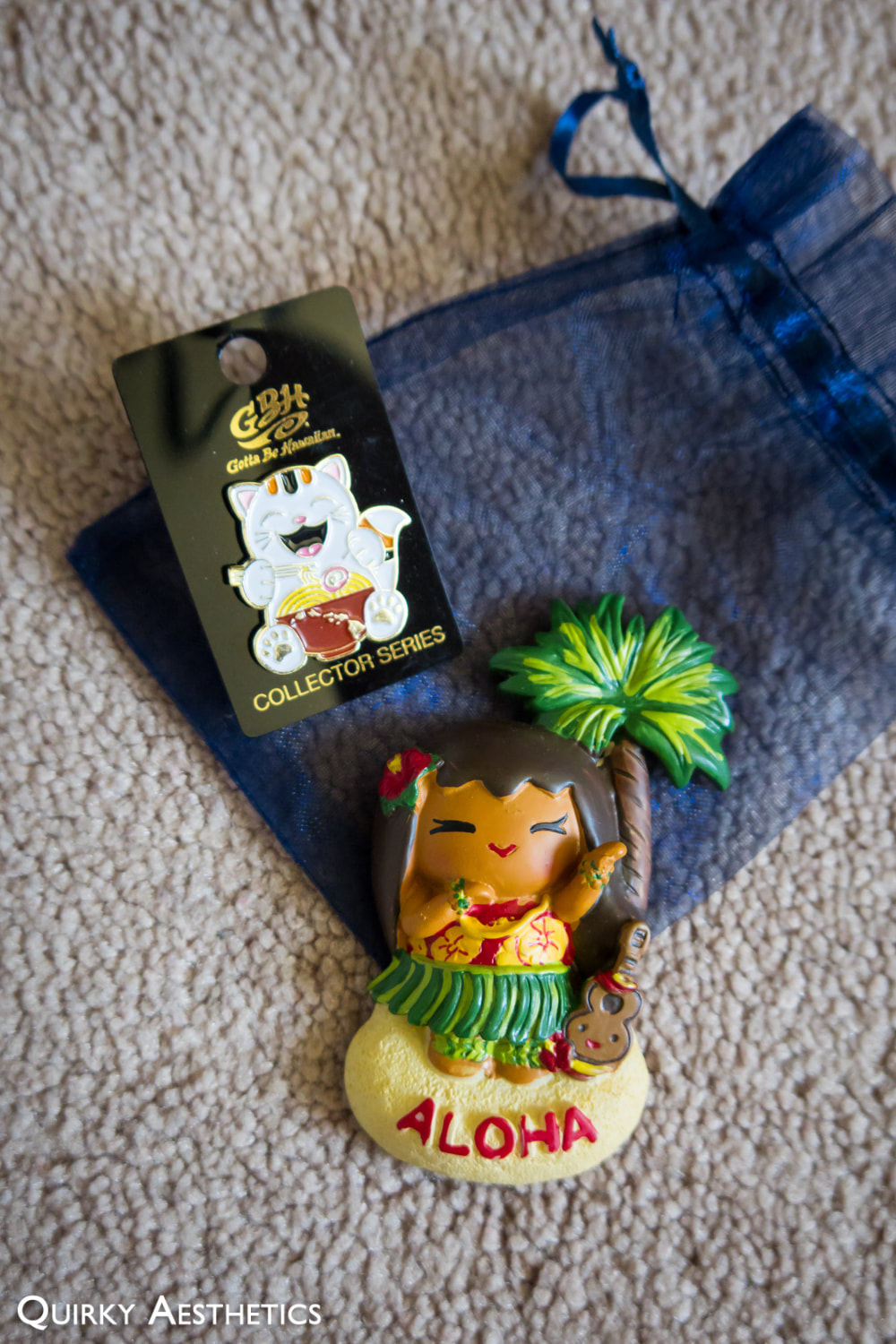
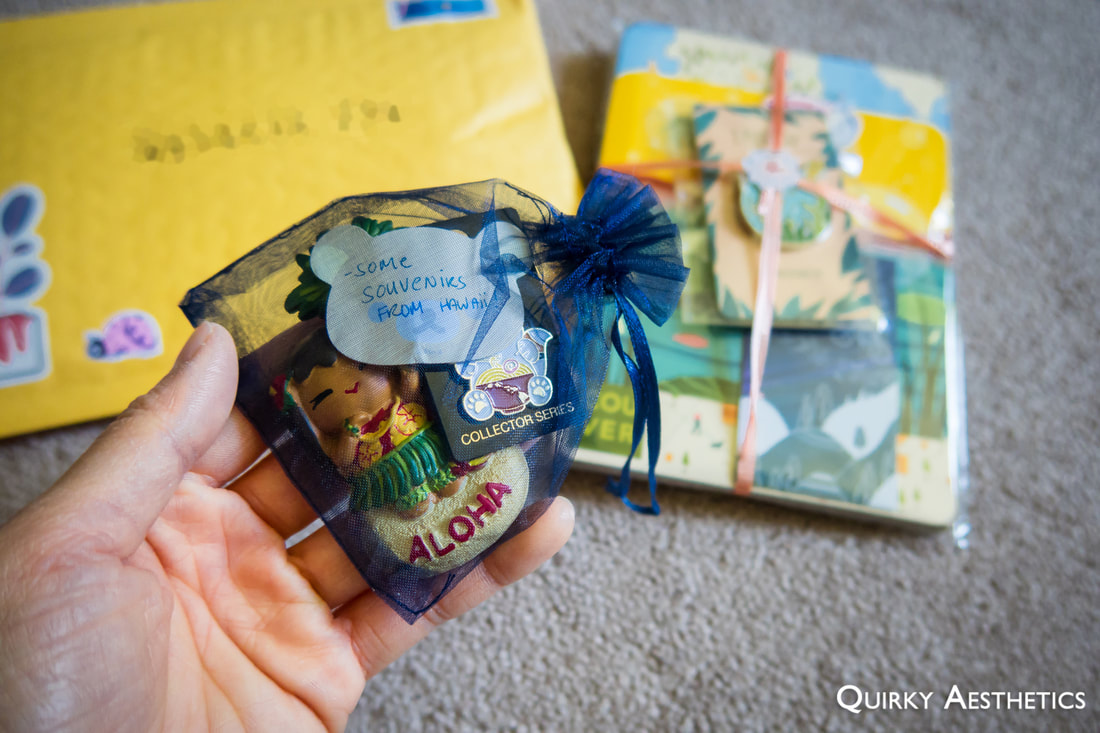
I was also in awe at the souvenirs that she had obtained for me from her recent trip to Hawaii. The first was an adorable fridge magnet, in which the magnet was embedded inside of the wooden design itself, rather than affixed to the outside with oozing adhesive. The second was a lucky cat pin slurping ramen, and on the bowl showed the islands of Hawaii.
 |  |
Amongst the largest voids emerging throughout the trip were: a distinct lack of Larry and the convenience of a personal vehicle, for door-to-door trips that could take whenever my heart desired.
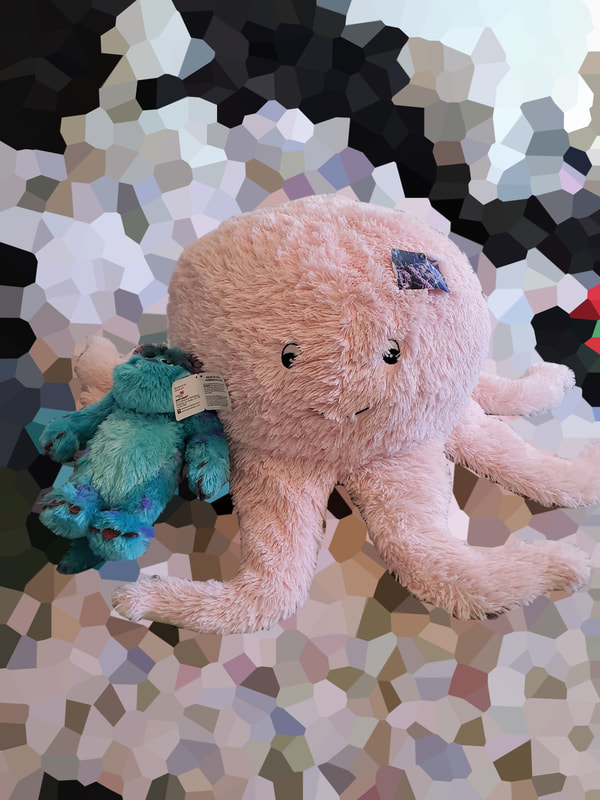
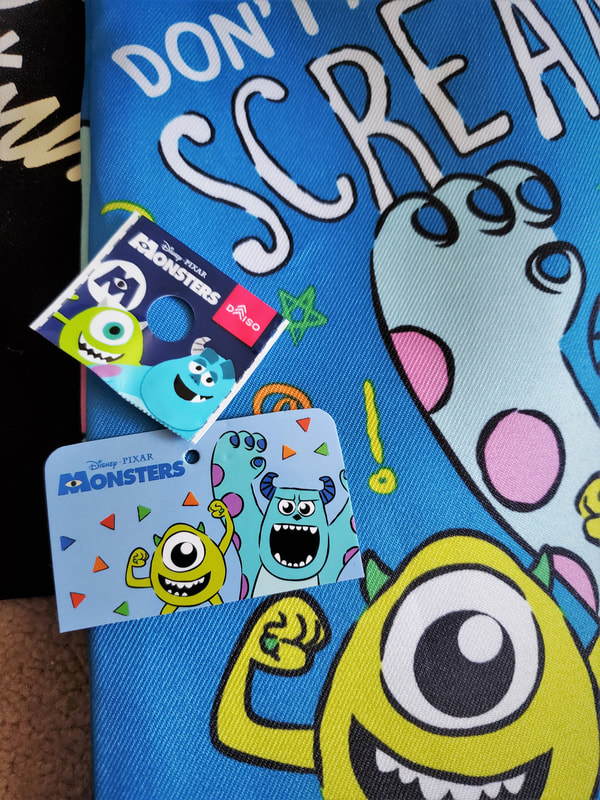
I proceeded to satisfy the first of these longings immediately after being relieved of the aircraft grime. Larry, along with both sizes of Sulleys, had undergone deep cleansing rituals in my absence. Radiating from them were fragrant clouds of cleanliness, along with noticeable boosts in fluffiness.
I proceeded to satisfy the first of these longings immediately after being relieved of the aircraft grime. Larry, along with both sizes of Sulleys, had undergone deep cleansing rituals in my absence. Radiating from them were fragrant clouds of cleanliness, along with noticeable boosts in fluffiness.
 |  |


With luggage cases zipped up for storage, I moved onto the next item on my list: packages.
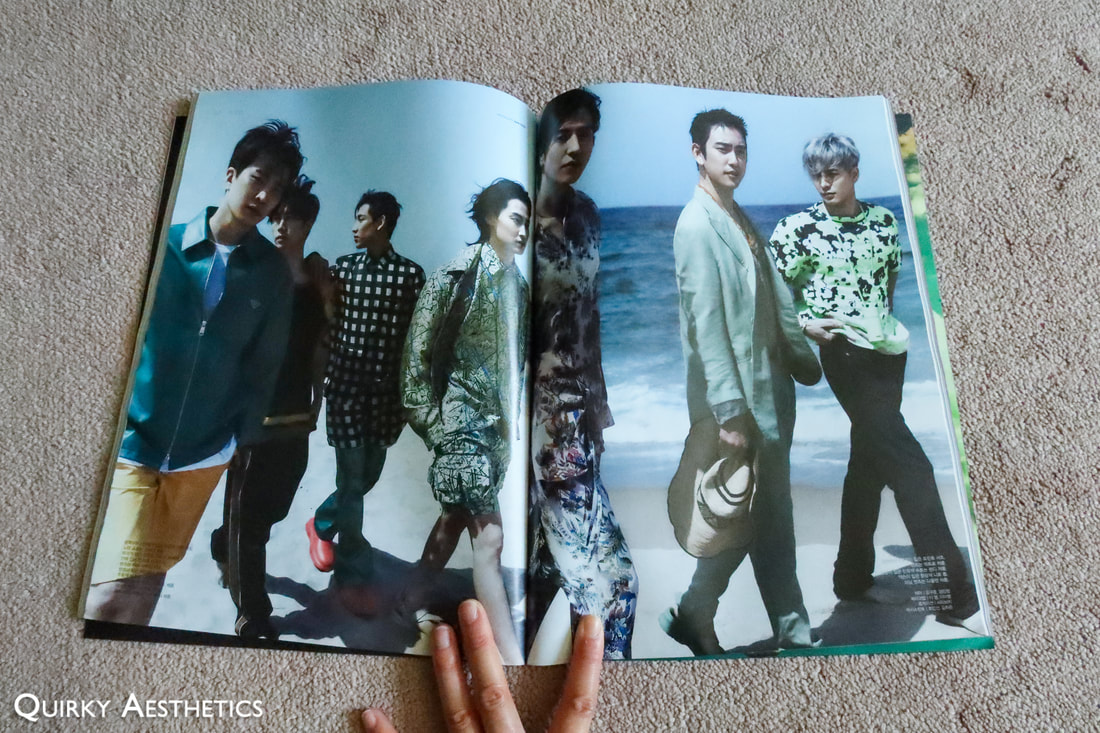
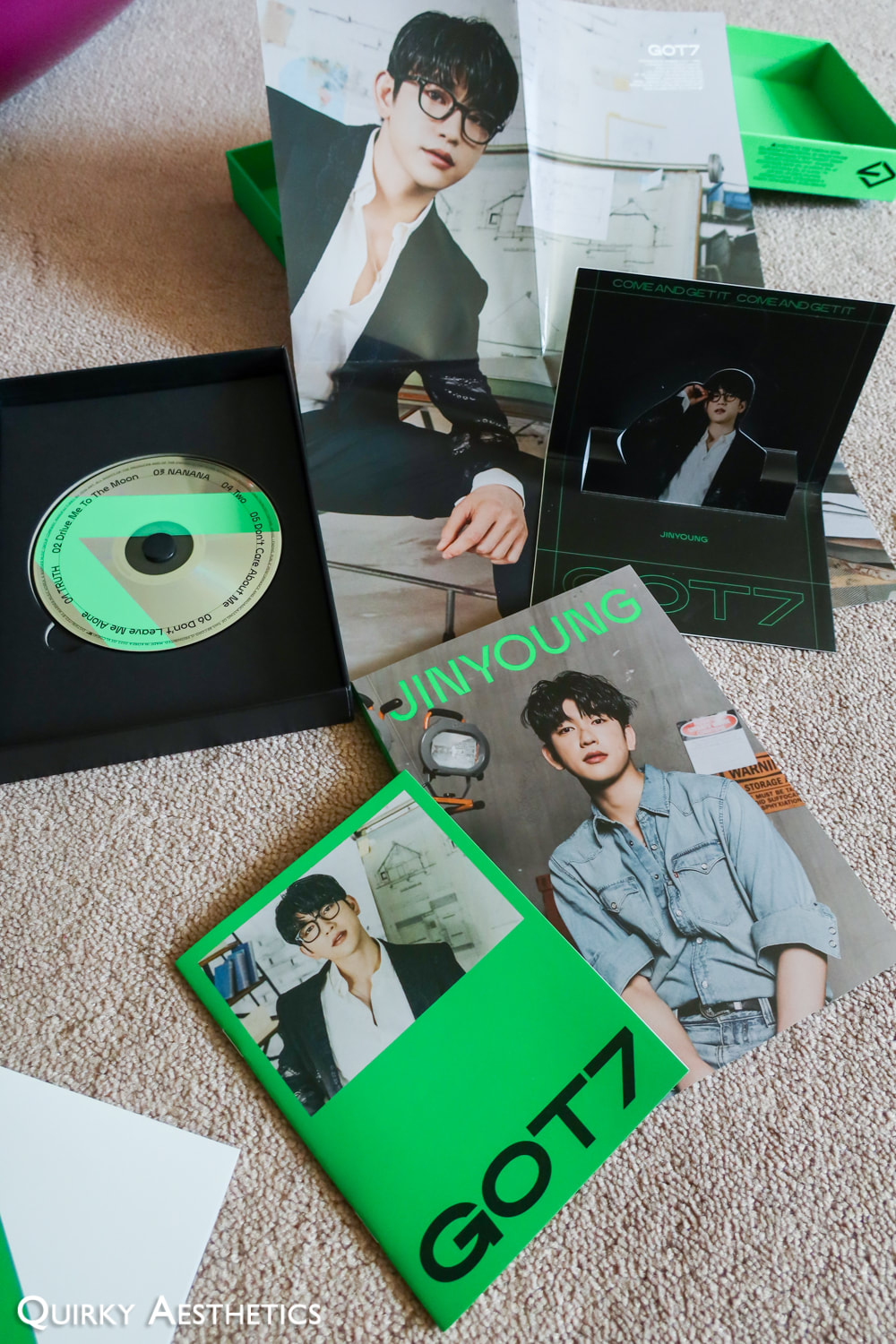
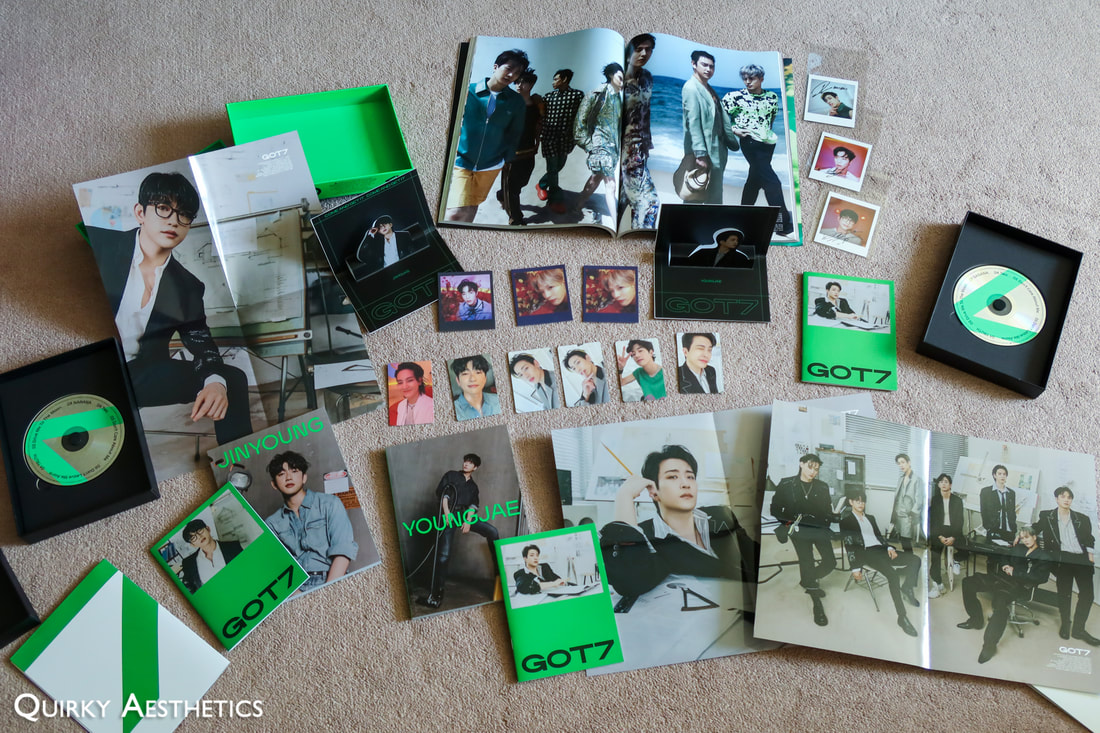
Three copies of GOT7's revolutionary comeback EP - and one unfathomably thick copy of W Korea - had arrived within the first week of my West Coast excursion. One copy was none other than my travel buddy's, the Thai ahgase.
Three copies of GOT7's revolutionary comeback EP - and one unfathomably thick copy of W Korea - had arrived within the first week of my West Coast excursion. One copy was none other than my travel buddy's, the Thai ahgase.
 |  |
News of the heavenly heptet's return as seven had already been a blessing for us all. For them to expand beyond digital releases and attend group schedules was another degree of elation altogether, whether we be observing the process in person or not.
At long last, my fingers would glide over a physical album, over lyrics that each member had thoughtfully assembled with the sole intention of "repaying" ahgases. Truthfully, our patience needed no compensation, for once an ahgase is always an ahgase.
GOT7 is home, after all.
At long last, my fingers would glide over a physical album, over lyrics that each member had thoughtfully assembled with the sole intention of "repaying" ahgases. Truthfully, our patience needed no compensation, for once an ahgase is always an ahgase.
GOT7 is home, after all.
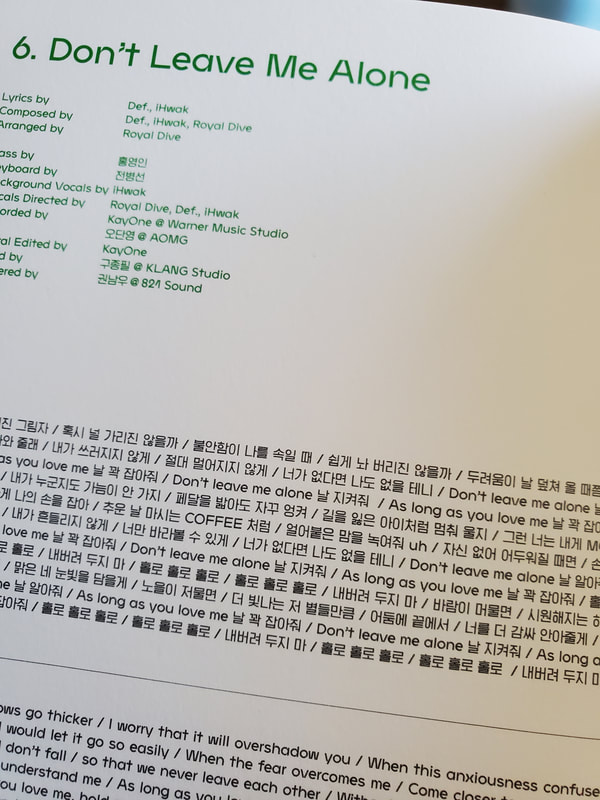
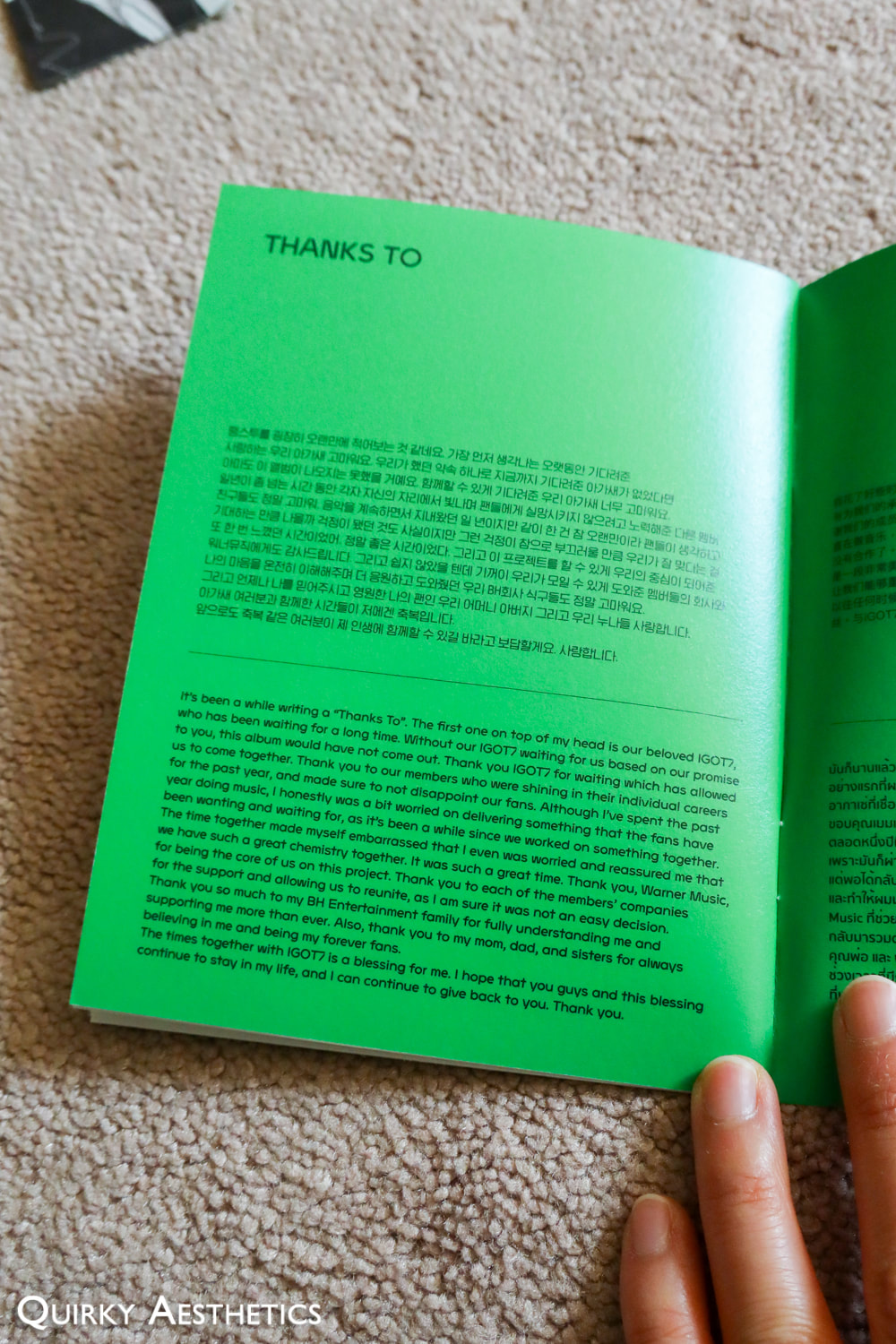
I was particularly impressed by the lyric translations included for each song: English, (Simplified) Chinese, and Thai - the primary languages spoken by the fandom.















 RSS Feed